10 COMMON GENDER STEREOTYPES IN ADVERTISING
Published on August 8, 2024

If advertising were a shrine, then it would be dedicated to women, since bulk of the advertisements are targeted at them. The pervasive and repetitive nature of advertising reinforces stereotypes and they peep at her from every nook and cranny advising, urging, implying, cajoling, bullying or plainly subjugating and overwhelming her.
To account for such narratives and nudge creators of ads to consider new starting points and eliminate some common biases ASCI and Futurebrands undertook a study – GenderNext: Follow Her Lead.
Here are some stereotypes that are the leading stars of advertising tropes!
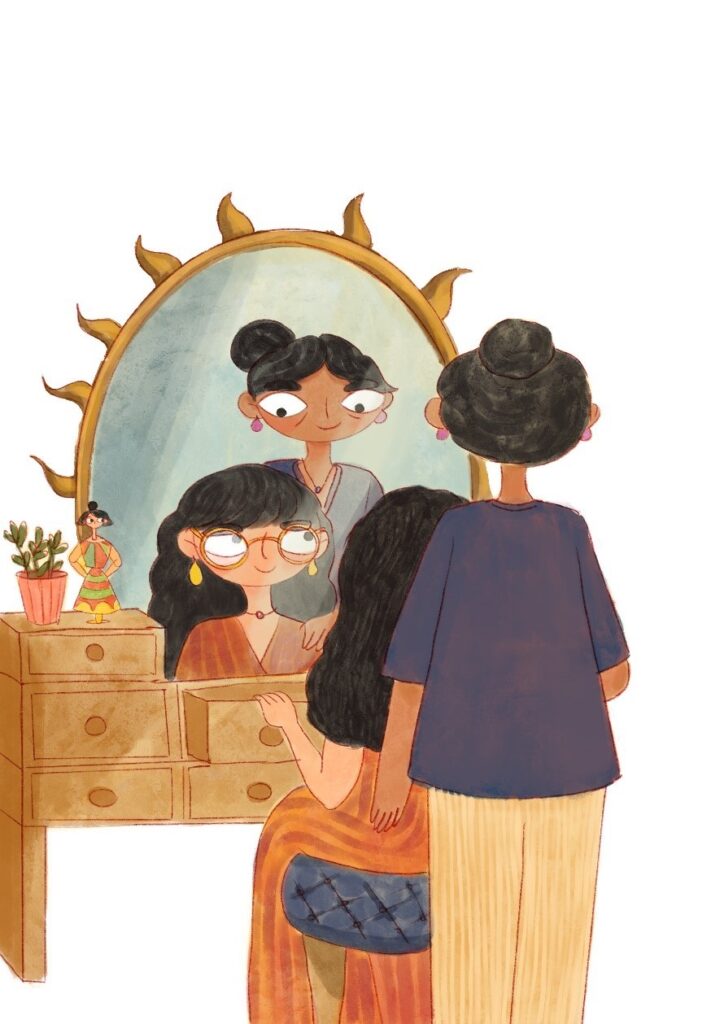
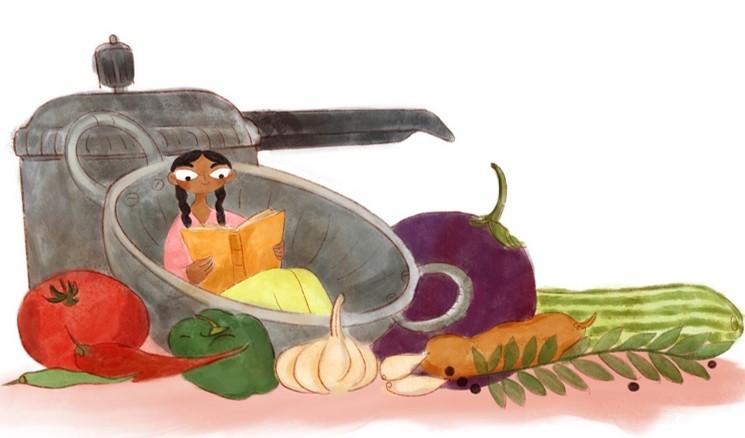
1.Trapped in a loop: Some depictions appear repeatedly as a ‘key images’ in various categories. Can we think of hundreds of ads where women are shown holding trays of food, gazing into the mirror in skincare ads, washing clothes or utensils while appearing cheerful and carefree, and cooking multi-course meals for families. All this as a male voiceover details the benefits of the products in question.
2.East vs West: Women wearing traditional clothing seem to be depicted as less aware than those in western attire. Often women in western wear are instructing other women in Indian wear.
3.Free to do more, but not less: Advertising that seeks to show how a woman breaks stereotypes often ends up showing them taking on new tasks but not relinquishing or being supported in her traditional roles. . A woman can be shown as successful, independent, entrepreneurial – but she can hardly get away from being depicted as simultaneously fulfilling her domestic duties diligently.
4.The ‘working’ woman: Working women are rarely shown “at work”. Most of the times, they are shown returning home to, you guessed it, domestic duties. The doctor returns home and tells her kid to brush their teeth, or a corporate executive comes back home to heat food for the family. As if what she did at work doesn’t really matter.
5 .The male celebrity: The male celebrity is often shown as the power center. This is common in categories like food, home cleaning and detergents, where an alpha male evaluates, rejects and then corrects a woman’s actions or choices.
6.Boys to men: Even as ads try to show men in the context of domestic chores, there is a tendency to infantilize them. They are shown as bumbling, ‘cute’ and child-like characters who cannot seem to accomplish simple tasks. This builds in a reason to absolve them of the new duties they are being asked to shoulder, rather than normalize the welcome depiction of sharing of domestic duties.
7.Life in the fast lane: Male-oriented categories are slowly including women in the frame, but very often without agency. Finance and automobile ads have more women in the imagery, but they are still framed as silent onlookers or recipients of the benefits of good male judgment without seeming to have their own, or having weaker contact with or control over the product than men.
- Hyper-sensualised eating: In advertising, a woman’s mouth and expressions are often used as a sensual prop by a variety of food categories like ice-cream, fast food, chocolates, cereals and biscuits. The food they eat appears plasticized and unreal. In contrast, men do not have this added element of sensual charge. Women, apparently, seem to be the chosen medium through which the ‘attractiveness’ of food is communicated.
- Mansplaining and humour: Categories like home appliances, detergents, health and hygiene often have a man’s voiceover instructing the woman what to do. GenderNext found that the male voice over is embodied by a male character – typically a doctor, scientist or dentist – and becomes the ‘specialist’ voice that leads the woman towards a better choice. Also, “transgressive” behavior by women is often hedged by humour. This works to dismiss any real power that she may sem to have.
- Money matters to both: The finance industry is often seen showing women as consummate shoppers. Banking and finance commercials usually show men as taking the major decisions while women look on. The man is the central character in this category while the woman is merely an obedient bystander. The truth is that women are financially aware and make independent decisions, but are rarely shown to be doing so.